Valorant Hush Cosplay Guide: Riot October 28
Updated November 6, 2026
Riot published a dedicated Agent Cosplay Guide for Hush on October 28, 2026, the day after the new Duelist’s release, giving cosplayers reference material to recreate the agent in costume. Riot’s own framing: “Agent Cosplay Guide: Hush. Everything you need to know for your Hush cosplay.” This guide pulls everything about Riot’s cosplay support, Hush’s visual identity, and what Riot’s cosplay guides typically include. Verified on 6 November 2026.
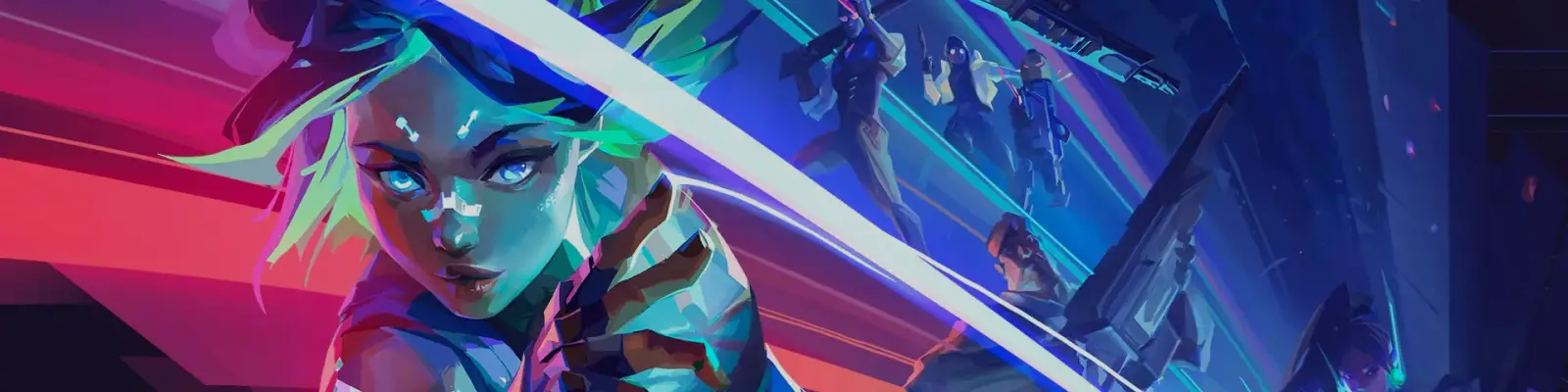
Source: Riot Games — Valorant news feed, “Agent Cosplay Guide: Hush” post from October 28, 2026.
Why Riot publishes cosplay guides
Three strategic reasons behind Riot’s dedicated cosplay guides:
- Community support. Valorant has a passionate cosplay community; official reference material helps creators produce accurate recreations.
- Event visibility. Cosplayers attend gaming conventions, tournaments, and online events. Accurate Hush cosplays at these venues extend Valorant’s visibility.
- Community goodwill. Publishing cosplay-friendly reference material signals Riot’s investment in community creativity.
Cosplay guides are part of a broader Riot strategy that treats community creation as a marketing asset rather than an afterthought.
What a Valorant cosplay guide typically includes
Three categories of content standard in Riot’s cosplay guides:
- Reference images. Multi-angle views of the agent’s model — front, side, back, close-ups of specific details.
- Costume element breakdowns. Specific pieces (jacket, mask, gloves, weapons) with notes on material and construction.
- Colour palette. Specific colour values or hex codes for cosplayers to match exactly.
The Hush guide likely follows this template, giving cosplayers everything they need to begin production.
Hush’s visual design
Three design elements that define Hush’s visual identity:
- “Bend the rules of reality” theme. Riot’s gameplay reveal tagline suggests Hush’s design incorporates reality-warping visual elements — perhaps dimensional patterns, iridescent surfaces, or asymmetric silhouettes.
- Duelist energy. As a Duelist, Hush’s design likely emphasizes agility and aggression over defensive themes.
- Modern tactical aesthetic. Fitting Valorant’s grounded sci-fi tactical shooter visual language.
Specific design details — colour palette, hair style, signature prop — are on Riot’s agent page and in the cosplay guide itself.
Materials and construction considerations
Three material categories cosplayers encounter when building a Valorant cosplay:
- Fabric and tailoring. Jacket, pants, and base garments require patterning and tailoring skills.
- EVA foam and worbla. Armor pieces, weapons, and signature props typically use thermoplastics.
- Paint and weathering. Specific finish techniques (gloss, matte, metallic) match the in-game look.
Hush’s specific build challenges depend on which costume elements have unusual materials or non-standard geometry.
The Hush signature weapon
Each Valorant agent has a signature appearance that extends to their weapons and abilities. For cosplay purposes:
- Agent signature animations include recall sequences and specific emotes.
- Ability effects (the “reality-bending” VFX) may be recreated through costume elements like LED strips or translucent panels.
- Hand pose and posture at convention photos help convey the agent’s personality.
Cosplayers often focus on one iconic agent pose for the primary photos.
Where to find reference material
Three primary sources for Hush cosplay reference:
- Riot’s official Agent Cosplay Guide. The October 28 post with reference images and details.
- Hush’s in-game model. Running Valorant and zooming on the agent provides unlimited reference angles.
- Hush’s splash art. Available on playvalorant.com/en-us/agents/hush with high-resolution downloads.
Combining all three gives cosplayers full reference coverage.
Cosplay community gathering spaces
Three places Valorant cosplayers connect:
- Specific subreddits. r/ValorantCompetitive and r/Valorant feature cosplay posts regularly.
- Discord cosplay servers. Community-run servers focus on Valorant cosplay planning, WIP sharing, and feedback.
- Convention floors. Anime Expo, PAX, Dragon Con, and gaming-specific conventions regularly host Valorant cosplayers.
Participating in these communities helps cosplayers refine designs and get feedback.
Photographing a Hush cosplay
Three photography tips for Valorant agent cosplays:
- Match the lighting. If Hush’s design involves specific lighting effects, photographing in similar lighting conditions makes the cosplay look more authentic.
- Nail one iconic pose. A primary hero shot with the agent’s signature stance anchors the cosplay portfolio.
- Convention environment. Photos taken at venues with mixed crowds and dramatic lighting often beat studio shots for Valorant-specific aesthetic.
Photos become the primary artifact of the cosplay, so investing in quality capture matters.
Time investment for a new agent cosplay
A complete Hush cosplay typically takes:
- Beginner cosplayers. 2–6 months, learning materials and techniques as they go.
- Intermediate cosplayers. 1–3 months, using established skills.
- Experienced cosplayers. Weeks for a strong build, days for a simpler version.
Riot’s early cosplay guide — published one day after Hush’s launch — gives cosplayers the maximum possible window to build before major upcoming conventions.
Specific steps for a Hush build
A typical Valorant agent cosplay build breaks into four construction phases:
- Research and reference. Spend 1–2 weeks collecting reference images, breaking the costume into component pieces, and planning material purchases.
- Base garment construction. Pattern, cut, and sew the main garments. Jackets, pants, undergarments — the base layer that everything else attaches to.
- Prop and armor construction. EVA foam for armor pieces, worbla for detailed smaller elements, 3D printing for high-precision props if available.
- Assembly, paint, and finishing. Final attachment of pieces, paint application, weathering effects, and finish detailing.
Many cosplayers underestimate the finishing phase. Clean final work separates a good cosplay from a great one.
Tools cosplayers use for Valorant builds
Three essential tool categories:
- Cutting tools. Rotary cutters, sharp craft knives, and specialty EVA foam cutters.
- Heat tools. Heat guns for shaping foam and worbla, plus smaller heat pens for detailed curves.
- Finishing tools. Rotary tools, sandpaper, and primer-paint-sealant stacks for finishing.
Entry-level cosplayers can produce respectable builds with basic tools; more elaborate builds benefit from more specialized equipment.
Budget considerations
Three cost tiers for a Hush cosplay:
- Budget build. Repurposed clothing with added detail pieces. $100–$300 total.
- Standard build. Custom-sewn base layer plus EVA foam armor pieces. $300–$800.
- Elaborate build. High-detail armor, LED lighting, full custom props, professional finishing. $800+.
Costs can also increase with convention travel, photography, and specialty materials.
Working with the “reality-bending” visual theme
Hush’s reality-bending gameplay theme may inspire specific cosplay choices:
- Iridescent or holographic fabrics. For garment elements that shift colour at different angles.
- Translucent panels. For armor pieces that suggest dimensional overlap.
- LED strips. For glowing effects that evoke the reality-bending abilities.
These choices distinguish a Hush cosplay from other Valorant Duelist cosplays and emphasize the character’s unique identity.
Cosplay competitions
Three competition formats where Hush cosplays may appear:
- Convention masquerade competitions. Costume contests at major gaming and anime conventions.
- Online cosplay contests. Riot and third-party community sites run periodic online contests.
- Esports event cosplay showcases. At major Valorant events, cosplayers may be featured during the broadcast or on the venue floor.
Winning a major cosplay competition can be career-launching for cosplayers; the visibility creates opportunities for commissioned work and partnerships.
FAQ
When did Riot publish the Hush cosplay guide?
October 28, 2026 — one day after Hush’s October 27 launch. Riot’s framing: “Agent Cosplay Guide: Hush. Everything you need to know for your Hush cosplay.”
What does the cosplay guide include?
Standard Riot cosplay guides include multi-angle reference images, costume element breakdowns, colour palette references, and signature prop details. The exact contents are on the October 28 post on playvalorant.com.
Who is Hush?
Valorant’s new Duelist agent, released October 27, 2026 in Season 26 Act VI. Riot’s design tagline: “Bend the rules of reality to turn impossible openings into highlight plays.”
Why does Riot publish cosplay guides?
To support the Valorant cosplay community with accurate reference material. Cosplayers at conventions and events extend Valorant’s visibility, and Riot invests in community creation as a marketing asset.
Do I need Riot’s permission to cosplay a Valorant agent?
Standard cosplay practice does not require explicit permission from Riot. Riot generally embraces cosplay as fan expression. For commercial use of a Riot character (selling cosplays, commercial photography), different rules apply — consult Riot’s legal and fan content policies.
Where do I find high-resolution Hush reference images?
Riot’s official cosplay guide is the primary source. Hush’s agent page on playvalorant.com/en-us/agents/hush also has splash art and model views. Fan-captured in-game screenshots fill specific angle gaps.
What materials work best for Valorant armor cosplay?
EVA foam is the standard for armor pieces due to its weight, workability, and finish options. Worbla is used for smaller detailed pieces. Specific material choices depend on the costume’s geometry and the cosplayer’s skill level.
Learning cosplay construction as a beginner
Three accessible paths for new cosplayers:
- YouTube tutorials. Specific channels — Punished Props Academy, Kamui Cosplay, Evil Ted Smith — cover fundamental techniques in depth.
- Local cosplay meetups. In-person groups share tools, techniques, and feedback.
- Online courses. Platforms like Skillshare and specialized cosplay education sites host structured courses.
Starting with a simpler costume element — a single armor piece or a prop — is often more rewarding than jumping straight into a full agent build. A finished small piece gives a confidence win that fuels bigger projects; an unfinished large project kills motivation.
Many cosplayers also find it useful to join a small group of friends working on the same agent universe, so progress stays visible and feedback stays constant throughout the whole build process.
Related guides
- Valorant Hush agent full guide.
- Valorant VCT 2027 Partner Teams.
- Valorant system requirements.
- VCT Game Changers Championship 2026.
For continuing cosplay-community engagement, following dedicated Valorant cosplay accounts on Instagram, Twitter, and TikTok exposes new techniques and references as they emerge. Official Riot cosplay guides typically appear within days of each new agent release, giving cosplayers early access to reference material throughout 2027 and beyond.